SUPPORT OUR PARA ATHLETES IN GLASGOW
Buy Your Green and Gold Seat

Sport should be a safe and fair place for all participants. At Paralympics Australia, we offer a safe place for people to raise concerns about behaviour they’ve witnessed or experienced in sport as well as find more information if they have an integrity question.
Your safety is our first concern
If you are in Australia and in immediate danger or at risk of harm, call your local law enforcement agency or dial triple zero (000).
You can report anonymously or make a confidential complaint using any of the three methods below:
All information submitted here is transmitted via secure communication. The platform and email inbox are managed by PA’s Integrity Manager.
Everyone from athletes, officials, parents, support personnel, administrators and supporters play a role in protecting the integrity of our sport. Paralympics Australia (PA) works with Sport Integrity Australia (SIA) to coordinate and manage complaints and reports. Complaints received will be evaluated and either managed by PA], referred to SIA or an appropriate external agency, or passed back to the complainant with suggested pathways for them to pursue where the Complaint is out of scope. There is a step-by-step process which outlines which organisation(s) to make your report or complaint to and how it will be managed.
If you see or hear something that doesn’t seem right, say something!
Threats to a sport’s integrity can include but not limited to:
What can an integrity breach look like?
Integrity in sport means that participants, officials, supporters, and fans can participate in and enjoy sport, confident in the knowledge that they are part of a safe, fair, and inclusive environment.
All of our members and participants have an obligation to protect and maintain the integrity of sport, as well as the health and wellbeing of everyone involved.
We work closely with Sport Integrity Australia, the national coordination agency for sport integrity threats. Visit the Sport Integrity Australia website for more information.
Questions about any integrity related matters can be directed to the Paralympics Australia Integrity and Complaints Manager at [email protected]
We take sport integrity seriously and have adopted the National Integrity Framework.
The National Integrity Framework is essentially a set of rules that all members of our sport need to follow when it comes to their behaviour and conduct in sport. There are four core policies which make up the National Integrity Framework. These are:
These core policies are underpinned by the Complaints, Disputes and Discipline Policy, which explains how people who have breached a National Integrity Framework policy are held accountable for doing the wrong thing.
Check out the National Integrity Framework factsheet and video.
In addition to the National Integrity Framework policies, PA has the following integrity related policies:
As a member of a sport or PA that has signed up to the National Integrity Framework, you can make a Complaint if you believe a fellow member has behaved poorly and potentially breached one of the policies.
If the Complaint is about Child Safeguarding or Discrimination, you can make the Complaint to Sport Integrity Australia.
You can lodge a Child Safeguarding or Discrimination complaint to Sport Integrity Australia by completing the online form.
If you would prefer to talk to someone at Sport Integrity Australia, assistance is available by calling 1300 027 232.
Issues that fall outside of Child Safeguarding and Discrimination can be submitted to your NSO/D unless happening under Paralympic Australia’s jurisdiction in this case you can report directly to PA. If in doubt where you should report your concern you can reach out to SIA or Paralympics Australia who will be happy to point you in the right direction.
1800 161 361
7am-7pm, 7 days a week, 365 days a year
The Safe Sport Hotline is part of an expanded service offered to members of sport to share their story with a trusted member of the Sport Integrity Australia team about integrity issues they have experienced.
The service includes an anonymous reporting capability that covers wider racial and cultural issues in sport for people who feel they have been discriminated against in their sport.
If you, or someone you care about, is struggling with an issue it’s okay to reach out for support.
Every person in sport, in every role, has the right to participate in an environment that is fun, safe and healthy, and to be treated with respect, dignity and fairness.
Resource: Bullying in sport and available pathways
If you have a concern about abusive or inappropriate material online, you can also report it to the eSafety Commissioner for action. eSafety can investigate cyberbullying of children, adult cyber abuse, image-based abuse (sharing, or threatening to share, intimate images without the consent of the person shown) and illegal and restricted content.
When it comes to sport integrity, it is critical for everyone who is involved in sport, from grassroots to elite-level athletes, their parents, teachers, coaches, sport administration staff and support personnel, are aware of their rights and responsibilities. There are a range of tools and resources available to help keep everyone informed.
The Safeguarding Children and Young People Policy is designed to protect children and young people in sport by putting in place rules and processes to ensure sporting environments are inclusive, positive and safe for all children and young people, all the time. Check out the fact sheet, videos and other resources.
The Member Protection Policy is designed to protect the welfare, wellbeing and health of everyone involved in sport. It provides clear definitions of abuse, bullying, harassment, sexual misconduct, discrimination, victimisation and vilification in sport, along with information on how to report these behaviours. Check out the fact sheet, video and other resources.
The Improper Use of Drugs and Medicines Policy is designed to protect athletes from harm caused by the improper use of medicines, supplements and illegal drugs. Check out the fact sheet, video and other resources.
The Competition Manipulation and Sport Gambling Policy is designed to keep sport fair by protecting sporting competitions from competition manipulation (also known as match-fixing) and associated betting activity. Check out the fact sheet, video and other resources
The Complaints, Disputes and Disciplines Policy (CDDP) provides sport and its participants with a best practice complaint management process that can be run by either Sport Integrity Australia or the sport. Check out the fact sheet, video and other resources.
Sport Integrity Australia eLearning offers several online courses relating to sport integrity, including doping, classification, match-fixing, illicit drugs, and ethical decision-making courses. Specific anti-doping courses are also available for coaches, support persons, medical practitioners and parents.
Play by the Rules provides information, resources, tools and free online training to administrators, coaches, officials, players, parents and spectators to assist them in preventing and dealing with discrimination, harassment, child safety, inclusion and integrity issues in sport.
Online abuse can significantly impact sport members and organisations. The eSafety Commissioner is Australia’s national independent regulator and educator for online safety. eSafety provides guidance on online safety issues including cyberbullying, adult cyber abuse, image-based abuse and illegal or restricted content. eSafety can help to get harmful online content removed if it meets the legal threshold for investigation.
The eSafety Sport hub provides resources to help the sports community including information on how to recognise online abuse and deal with online abuse in sport, as well as tailored advice for sport administrators, coaches and officials, and athletes and competitors.
Keep up to date with all that is happening in sport integrity by following Sport Integrity Australia on Facebook, X/Twitter, Instagram and LinkedIn or listen to On Side, the official podcast of Sport Integrity Australia.
You can also download the Sport Integrity App, which are available for free download from the Apple App Store and Google Play.
Intentional Misrepresentation (IM) is considered to be one of the most serious threats to the integrity of classification and Para sport. IM involves a deliberate attempt to mislead the classification process or gain an unfair sporting advantage, undermining the principle of fair and meaningful competition.
To protect the integrity of classification, the IPC has established the International Standard for Intentional Misrepresentation. This standard sets out how International Federations must identify, investigate, and manage suspected cases of IM. Importantly, these processes are separate from the classification process itself. While classification focuses on determining the correct Sport Class and Sport Class Status for an athlete, an IM investigation focuses on whether a participant deliberately attempted to deceive the classification system.
A person commits IM if they intentionally:
1. Mislead or attempt to mislead classification personnel
The attempt alone may be enough, even if nobody is deceived.
2. Help someone else mislead the system
Key message
Classification is about getting the right class.
Intentional Misrepresentation is about deliberately trying to deceive the classification process.
Put simply:
Making a mistake is not IM. Deliberately trying to mislead the classification system is.
It’s the intentional act of misleading that matters, not whether you knew the rule or whether the attempt succeeded.
Paralympics Australia is the body that manages national level IM for athletes and support personnel who are involved in national level classification and competition.
Paralympics Australia (PA) will assess and triage your report. If the matter meets the relevant threshold and criteria, an Independent Intentional Misrepresentation Investigation Panel (IMIP) may be convened to manage the investigation and, where appropriate, any subsequent hearing. For more information about the IMIP process, please contact [email protected]
You can report via any of PA’s three (3) channels:
All information, no matter how big or small, is important and could be crucial in uncovering integrity violations, including IM, within Para sport. We understand reporting can be scary or feel complicated, but all information submitted to PA is transmitted via secure communication and accessed by PAs Integrity Manager, and the independent IM review panel members only.
Should you have a concern of international level IM (i.e. regarding athletes or support personnel who are involved in international competition) this should be reported to either the IPC or International Federation.
IM is a very serious offence that undermines the integrity of classification and Para-Sport. The consequences can include a sanction from sport, financial implications, stripping of medals or achievement and irreversible reputational damage.
We know reporting or having knowledge of issues like this can bring up a range of emotions and feelings. It’s important to use the support services available to you. Reach out to your NSO Wellbeing or Integrity Managers, if you are unsure who this is write to [email protected] and we can guide you to the right person.
Doping is the use of substances or methods that are banned in sport. Doping is cheating because it gives one athlete an advantage over others. Doping is also extremely dangerous to your health and can destroy your reputation.
Anti-doping is a set of rules designed to protect athletes’ rights to participate in sport free of performance enhancing drugs.
It’s anti-doping that keeps sport fair and keeps the playing field level. When athletes choose not to dope, we say they compete clean.
PA takes a position of zero tolerance toward doping in sport and works closely with Sport Integrity Australia (SIA) in Australia and the IPC and International Federations to ensure a drug-free environment in our sport.
Anti-doping rules apply to all participants of our sport from elite to grassroots. All members must be aware of, and have a basic understanding of, their obligations regarding anti-doping. The Sport Integrity Australia website has a range of information and resources to assist, including:
PA’s anti-doping policy is the Australian National Anti-Doping Policy, effective 1 January 2021, and can be found on the Sport Integrity Australia website.
To report a breach of anti-doping rules, submit either to PA via:
Or directly to Sport Integrity Australia via:
When it comes to anti-doping, it is critical that our athletes and their support personnel are aware of their rights and responsibilities. There are a range of tools and resources available to help keep participants informed.
Sport Integrity Australia eLearning offers several online courses relating to sport integrity, including doping, match-fixing, illicit drugs, and ethical decision-making courses. Specific anti-doping courses are also available for coaches, support personnel, medical practitioners and parents.
Athletes and support personnel who are required to complete online education can submit their ‘eLearning certificate’ to [email protected]
The Sport Integrity app is a one-stop shop for all sport integrity needs, designed with athletes in mind.
The app allows users to check whether their medications are banned in sport, find low-risk supplements to reduce their chance of testing positive, and check whether they need a Therapeutic Use Exemption (TUE). The app also provides direction on how to raise concerns about things like doping, child safeguarding or discrimination. It features further information on eLearning modules, whereabouts and testing information and gives users the opportunity to provide feedback to Sport Integrity Australia.
The app is free and can be downloaded from the Apple and Android app stores.
The Prohibited List outlines the substances and methods that are prohibited in sport. It is updated annually by the World Anti-Doping Agency. Remember that individual products or brands are not named on the Prohibited List. Athletes should check the status of all medications on Global DRO before they use them.
Global DRO allows users to check whether the most commonly prescribed and over-the-counter medicines in Australia are permitted or prohibited in sport.
If an athlete requires use of a prohibited substance to treat a medical condition, the athlete needs to be aware of the TUE requirements. For more information on a TUE visit the Sport Integrity Australia website.
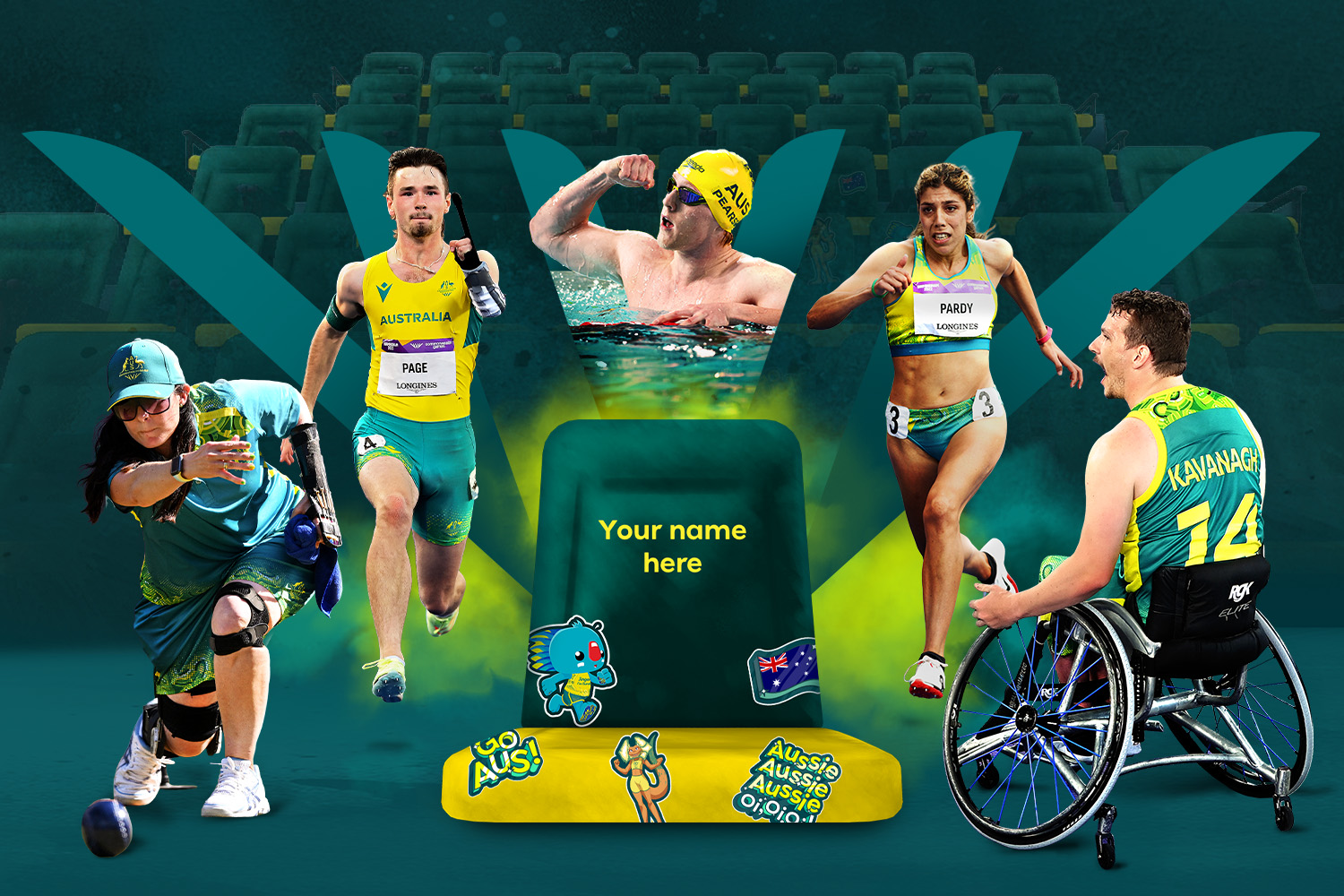
Buy Your Green and Gold Seat


"*" indicates required fields


