Emma* can still pinpoint the afternoon.
“Seeing him light up when he tried boccia for the first time… that was the moment,” she says.
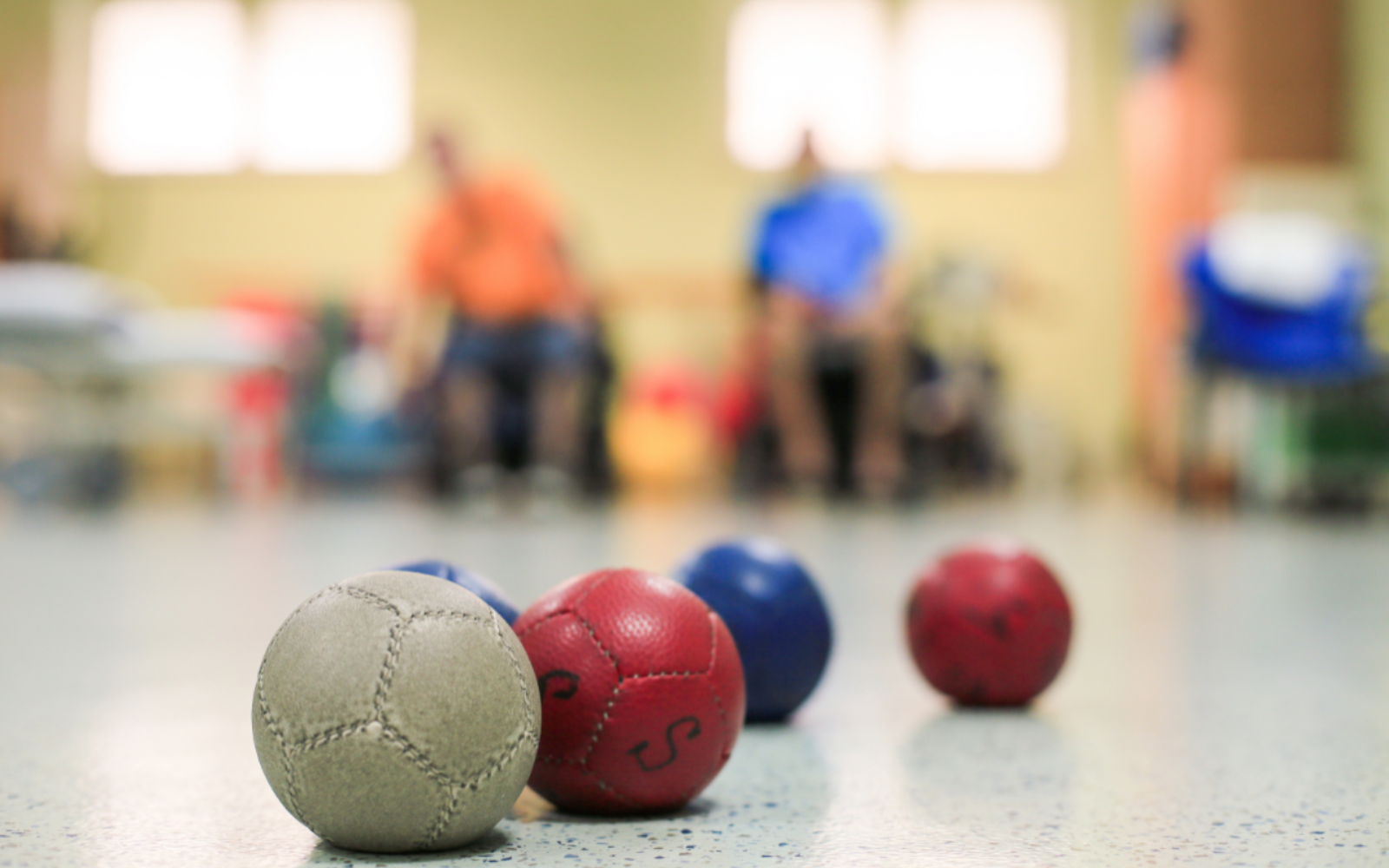
Until then, boccia was simply a sport she and her son Liam* had watched every four years at the Paralympics – intriguing, but something they never believed Liam could play himself, let alone close to home.
They went along to a Bupa Try Para Sport event without expecting too much, but what they found was something that, even now, brings Emma close to tears.
“It makes me, yeah, feel quite emotional, to be honest,” she says.
Liam was born with Charcot-Marie-Tooth disease, a progressive neurological condition that affects strength in his hands and feet, and he now uses a wheelchair full time.
Before that day, Emma says they had no idea how many opportunities existed within Para sport, or how accessible they could be.
“We’d seen boccia at the Paralympics,” she says. “But we didn’t realise there were clubs, or that he could actually be part of it locally.”
Liam soon joined a local boccia club, where he now trains every Thursday.
His story was one of many to emerge from this year’s Bupa Try Para Sport Series, presented by Bupa and delivered by Disability Sports Australia in partnership with Paralympics Australia and supported by the Australian Sports Commission through the Play Well national sport participation strategy.
Across 10 events around the country, the series introduced participants to 23 Para sports while bringing together coaches, classifiers, Paralympians and pathway staff in one place. By the time the series concluded, around 300 referrals had been made into Para sport pathways, with 150 participants connected directly with National Sporting Organisations.
For Paralympics Australia Pathways Specialist Campbell Message, the figures represent something far more meaningful than attendance.
“There are still so many people with a disability who don’t think sport is for them,” he says.
“The Bupa Try Para Sport days brought everything into one place. Instead of searching for what might be out there, it’s just there in front of you.”
He says sometimes the first step is simply giving someone the chance to have a crack.
“The most important thing is that first experience – trying something, meeting people, and then seeing a pathway that feels real.”
That was certainly the case for Liam.
“When I tried it, it was super fun,” he says. “And they said I was good at it.”
A conversation at the event soon connected him with a boccia club in Melbourne’s north.
The club is for adults, and 19-year-old Liam is still completing school through a flexible Victorian pathway program, so with support from his teachers, he now leaves school early one afternoon each week so he can train.
The physical benefits of playing were obvious but, for Emma, the biggest change was hearing Liam begin to talk differently about himself and his future.
“He has struggled occasionally with low self-esteem,” she says. “Just feeling like he can’t kind of keep up with his friends at school sometimes.
“He found, to his delight, that he was actually good at it,” Emma says. “The people running it were so supportive and encouraging and he just had a great time.”
Then one day, Liam said something Emma had never heard before: ‘I think this might be something I might like to pursue in my future.’
Emma’s voice softens as she remembers that conversation.
“It was really special,” she says. “He’s done martial arts for years and loves it, but this is the first time he’s genuinely felt a connection to a sport. It’s something he can own.”
Emma knows Liam’s condition will continue to change and that’s why what comes next means so much.
Charcot-Marie-Tooth disease is progressive, meaning Liam is expected to lose strength over time. But boccia is designed to adapt alongside the person, allowing people to continue participating as their needs change.
“The amazing thing about boccia is that it adapts with the person’s disability,” Emma says. “The fact that this sport adapts as the person’s condition perhaps worsens is really, really amazing as well.
“That part of it really does make me emotional too.”
Disability Sports Australia CEO Ayden Shaw said Liam’s experience reflects exactly what the series was designed to achieve.
“For many people with disability, the biggest barrier isn’t the sport itself, it’s knowing where to begin,” he says.
“The Bupa Try Para Sport Series helps remove that uncertainty. People can come along, try different sports, meet coaches and athletes, ask questions and explore what’s available in a welcoming environment with no pressure.”
Shaw says success is what happens next.
“What I’m most proud of is seeing people leave with greater confidence, new connections and a clearer understanding of the opportunities available to them.
“Success isn’t just measured by attendance on the day. It’s measured by the people who discover a sport, build relationships and progress to the next step, whether that’s joining a local club, attending another event or continuing their involvement in sport in a way that suits them.”
Message says every one of those outcomes matters.
“These days are about planting seeds for the future,” he says.
“Some people will become Paralympians, some will use the days as an entry to dabble in recreational Para sport and others may go away knowing about this great Para sport community – becoming supporters, volunteers, coaches, officials or simply telling someone else with a disability that sport is there for them.”
Bupa Director of Social Impact and Sustainability, Bronwyn Portes, said supporting programs that improve access to sport with local grassroots opportunities aligns with Bupa’s commitment to health, wellbeing and inclusivity.
“The experience Liam had, and how he realised his own potential, remind us why these events matter. When people can see what’s possible and connect with the right support, it can open the door to greater confidence, community and belonging through sport.”
The impact of the series extended well beyond referrals and registrations. Twenty-five Paralympians shared their own stories with participants, classifiers helped demystify eligibility, and sporting organisations forged new connections with future athletes and families.
Emma hopes more families discover the same opportunities her family did.
“If we’d known this existed earlier, we absolutely would have come,” she says.

“It has changed things in a really positive way.”
Now, Liam is building new friendships and is beginning to imagine where boccia might take him.
As for what he’d tell someone thinking about trying Para sport?
“Give it a go,” he says. “You may be good at it and enjoy it.”
*Emma and Liam are pseudonyms used to protect the privacy of the participant and his family.
If you want to start your own Para sport journey or learn more about what is out there, go to The Start Line: The Start Line | Paralympics Australia
By Ashley Gillespie, Paralympics Australia.
Published 3 July, 2026.

"*" indicates required fields